
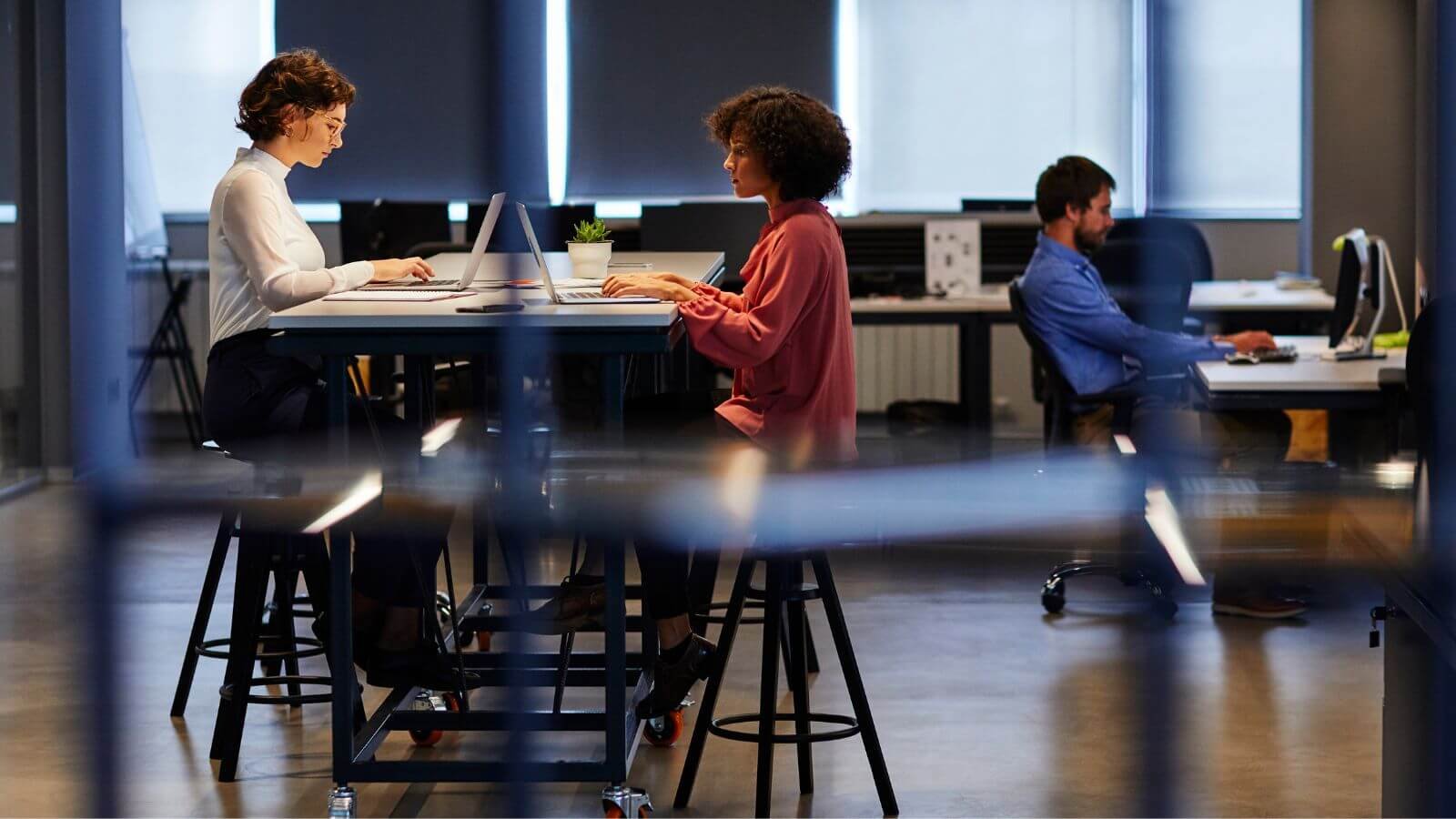
The way we work has changed dramatically over the last decade, and co-working spaces are at the center of this transformation. What started as a flexible alternative for freelancers has now evolved into a preferred workspace model for startups, enterprises, and remote teams across the world.
In cities like Ahmedabad—where the startup and IT ecosystem is growing rapidly—co-working spaces are no longer just about shared desks. They are thoughtfully designed environments that support productivity, collaboration, and well-being. Let’s explore the latest co-working space trends that are shaping the future of work.
1. Focused and Quiet Workspaces
Earlier co-working spaces were often associated with open layouts and constant buzz. Today, the trend is shifting toward quiet, focused environments. Professionals now prioritize deep work, minimal distractions, and structured layouts.
Modern co-working spaces are creating zones for silent work, focused desks, and private team areas. This trend is especially popular among IT professionals, developers, consultants, and remote employees who require uninterrupted concentration.
2. Flexible Workspace Models
Flexibility remains one of the biggest strengths of co-working spaces. However, flexibility today goes beyond daily passes. Users want options such as:
- Flexible desks
- Dedicated desks
- Team desks
- Private team spaces
This allows individuals and teams to scale their workspace as their needs evolve—without long-term leases or heavy upfront costs.
3. Rise of Team-Oriented Spaces
Co-working spaces are increasingly catering to small and mid-sized teams. Startups and agencies prefer shared work environments that still offer privacy and structure.
Team desks and private team areas (for 3–6 people) are becoming highly sought after, especially in growing business hubs like Ahmedabad.
4. Wellness-Centered Design
Productivity is closely linked to well-being. Natural light, ergonomic seating, proper ventilation, and calm interiors are now standard expectations.
Co-working spaces are focusing on creating stress-free environments that support both mental and physical comfort—helping members stay productive throughout the day.
5. Community Without Chaos
While collaboration remains important, professionals no longer want forced networking. The trend is toward organic community building—where interaction happens naturally, without disrupting work.
6. Strategic Locations
Accessibility matters. Co-working spaces located near major roads, business corridors, and residential hubs—such as SG Highway, Gota, Chandkheda, and Vaishnodevi Circle—are seeing higher demand.
Conclusion
The future of co-working lies in balance—between flexibility and structure, collaboration and focus. As Ahmedabad continues to grow as a tech and startup city, co-working spaces that adapt to these trends will become essential infrastructure for modern professionals.